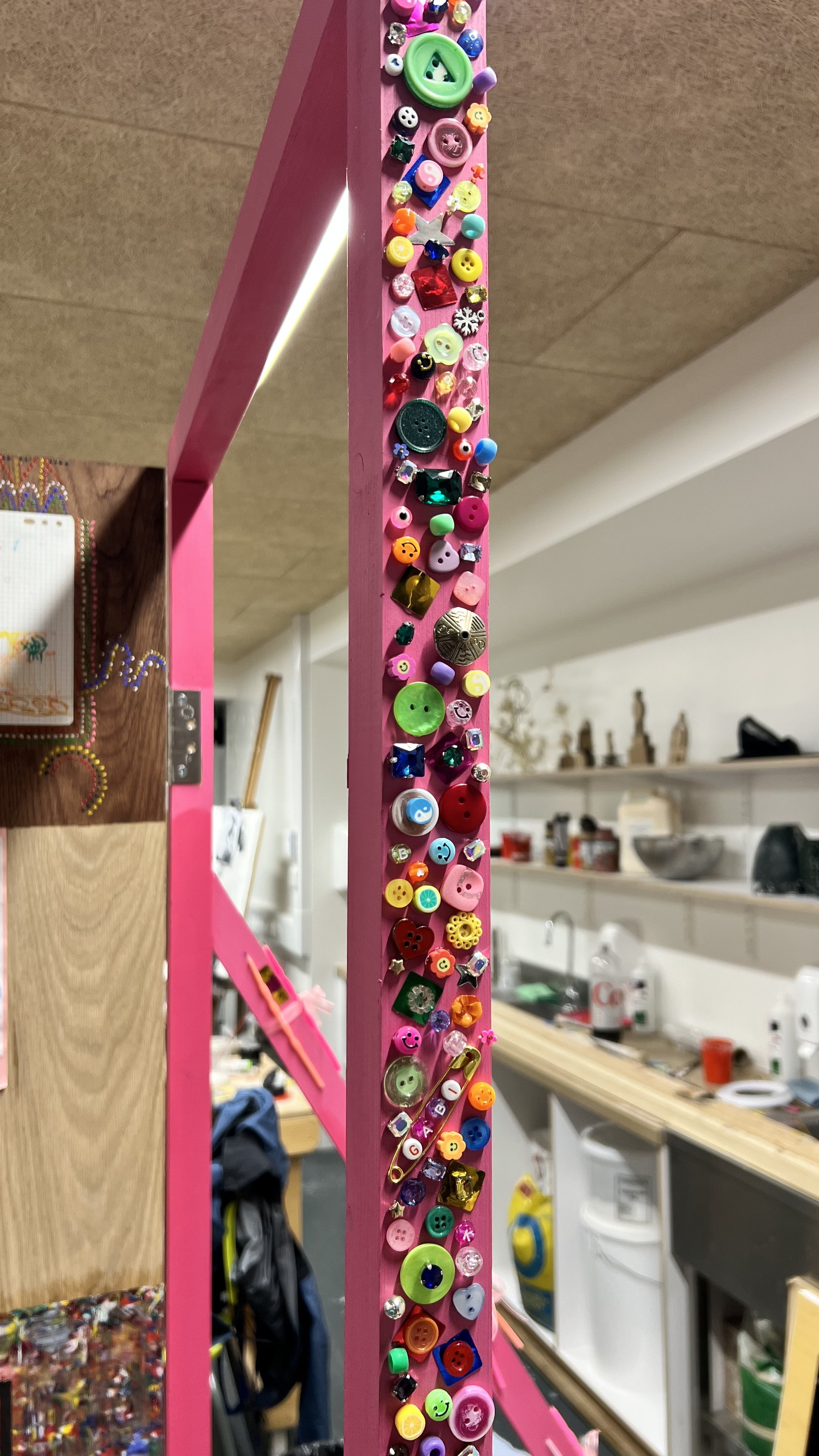
Bildungsroman
Mixed Media Installation 205 × 75,5 × 115cm
One of the most transformative moments of my artistic development occurred during an intensive three-day field study in Florence. Within museums and private collections, I had the opportunity to engage with artworks in situ, which ultimately left me enlightened with ideas. In particular, my visit to Christian Levett’s art collection, exhibited in a Florentine Palazzo from the 1860s, was a once-in-a-lifetime opportunity to see successful contemporary artworks in the domestic space. The philanthropist’s house of art celebrates over 300 works of female artists including Tracy Emin, Lauren Quinn, Ilana Savdie, and Louise Bourgeois with the aim of increasing their visibility and financial recognition. The artworks converted the house into a living museum, where the paintings felt active and co-existent with the furniture, architecture and his daily routines. For me, the beauty of this house roots in its power to emotionally enrich anyone who walks its corridors. I was authentically educating myself on other artist’s perspectives on life, and the experiences that shape their sculptures, paintings or tapestries. In a museum, it’s about the paintings themselves. We look at each artwork individually, regarding it in disconnect from the others. But in a house, its an exhibition of emotions, where the art functions as a form of collective storytelling. Every room I entered felt like a different planet with a contrasting energy to the rest. And most importantly, although I walked through the Palazzo’s rooms unaccompanied, I didn’t feel alone. I was surrounded by the faces, tales and lives of female artists.
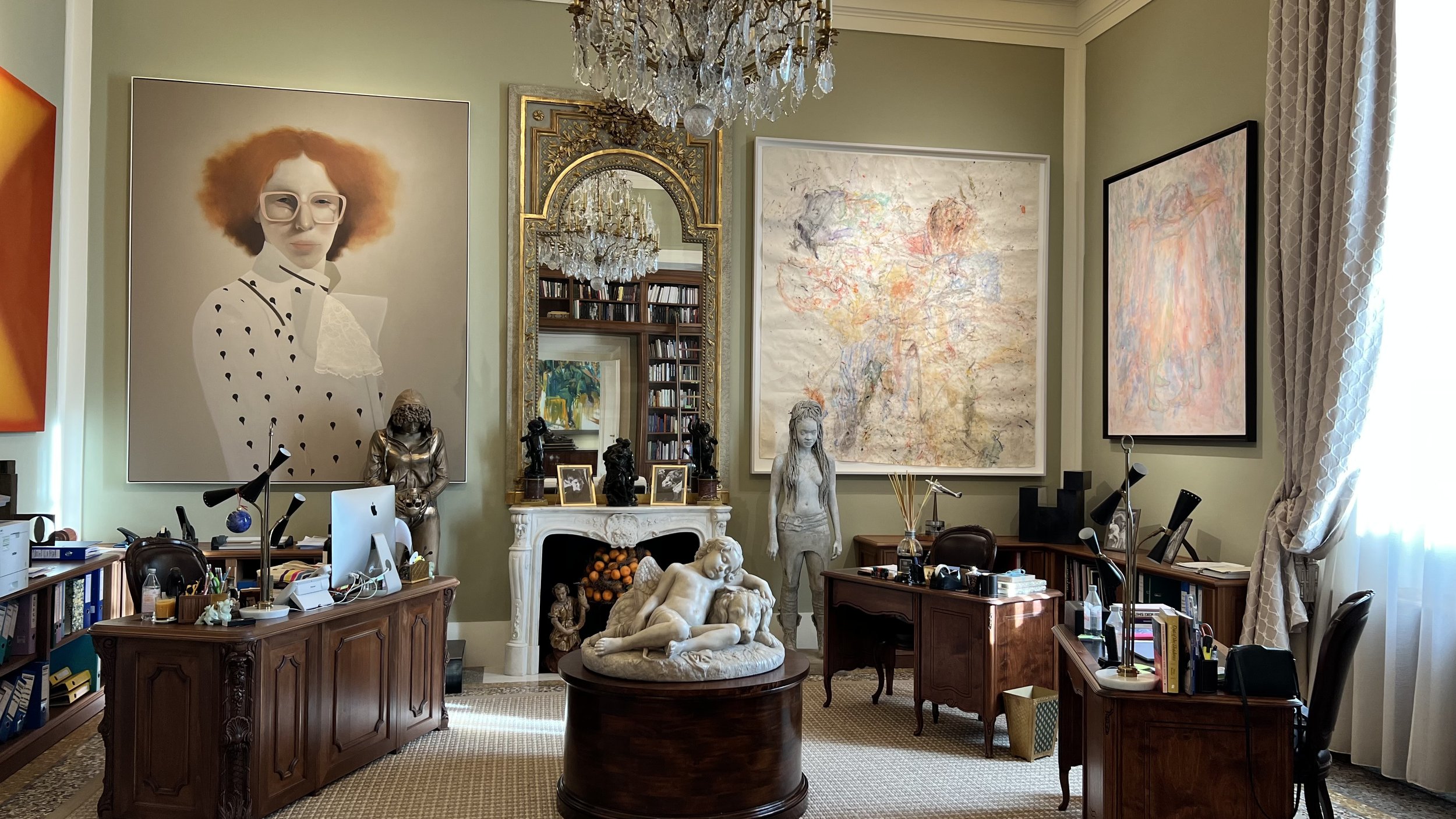
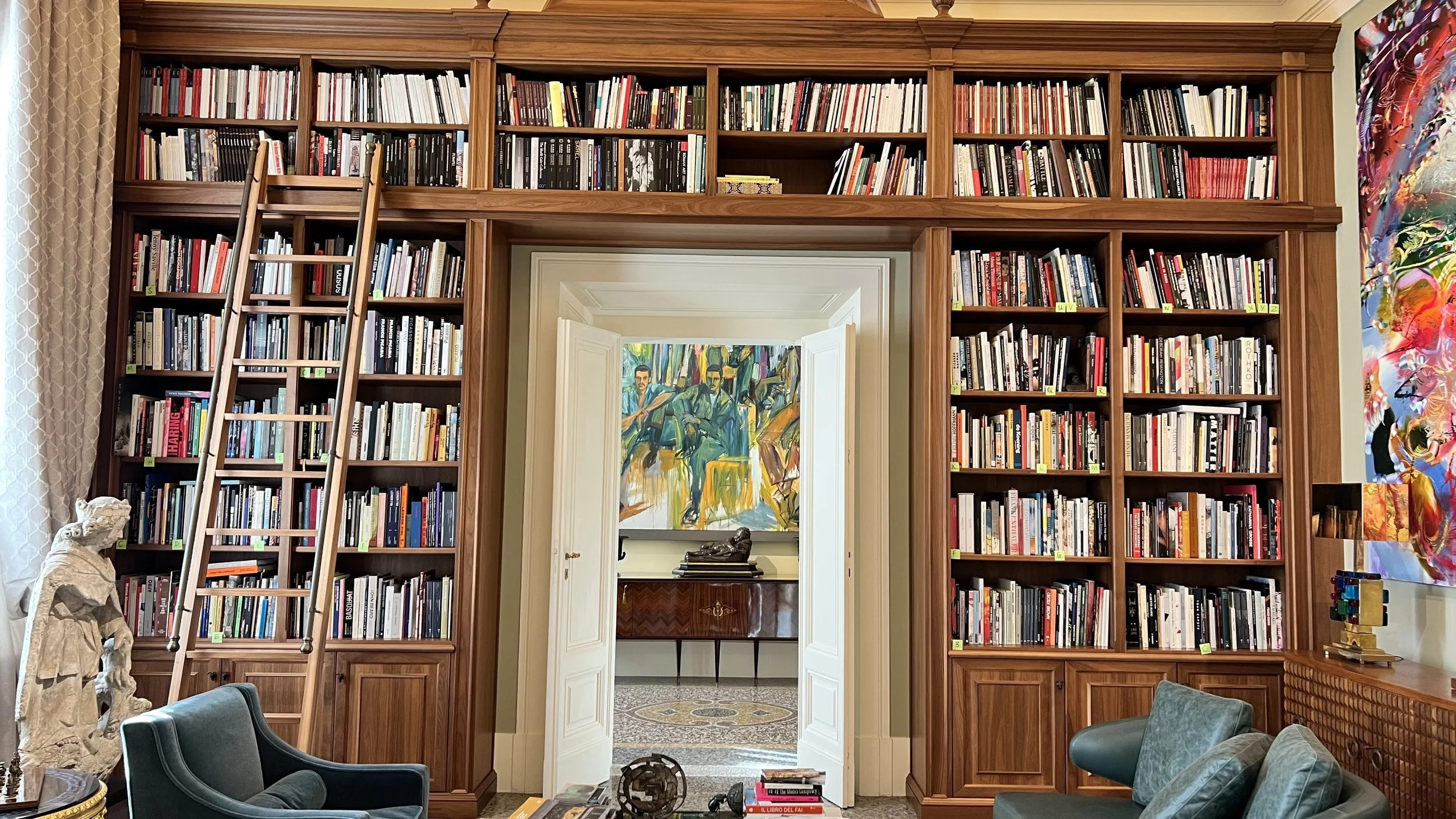
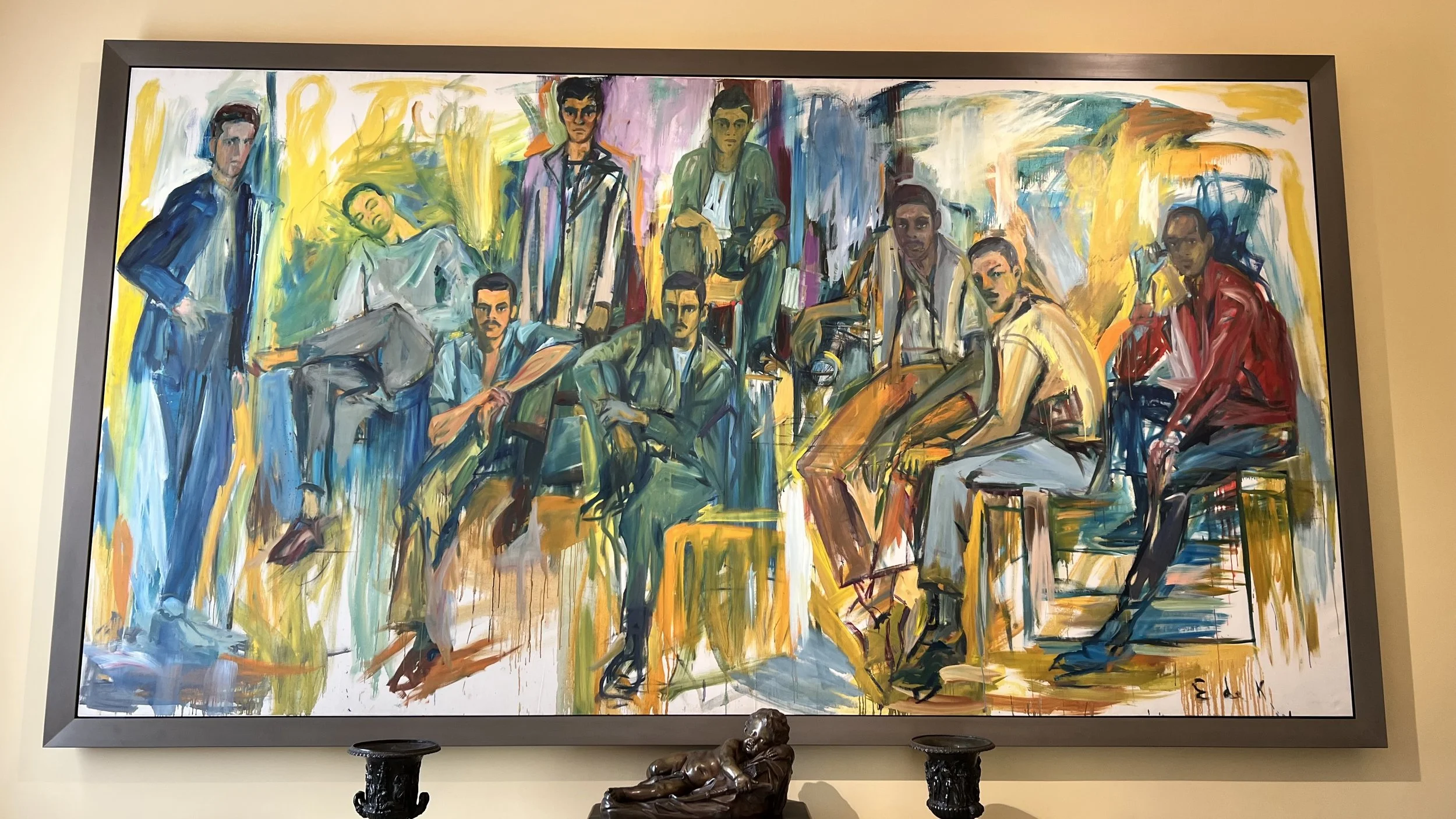
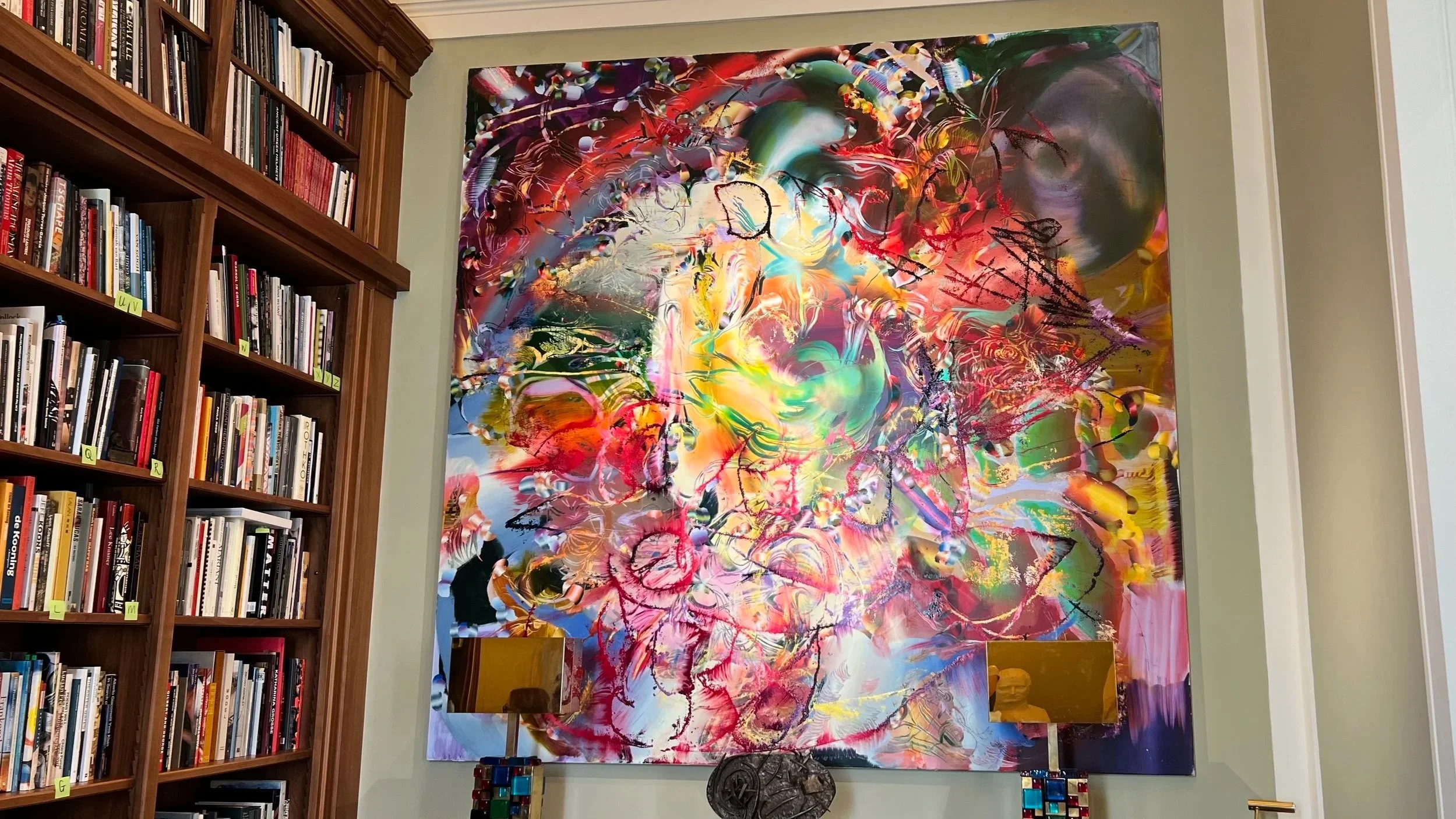
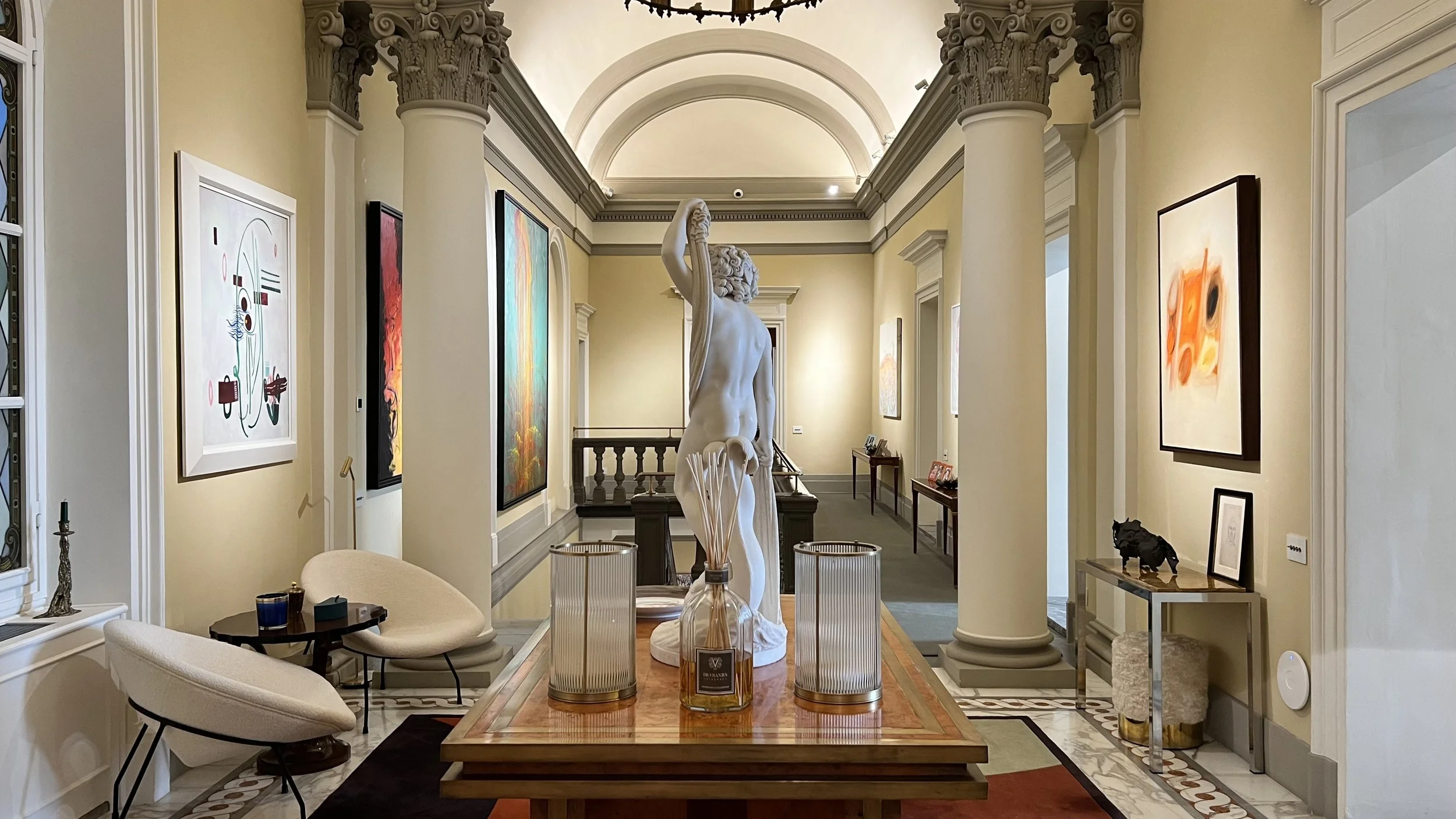
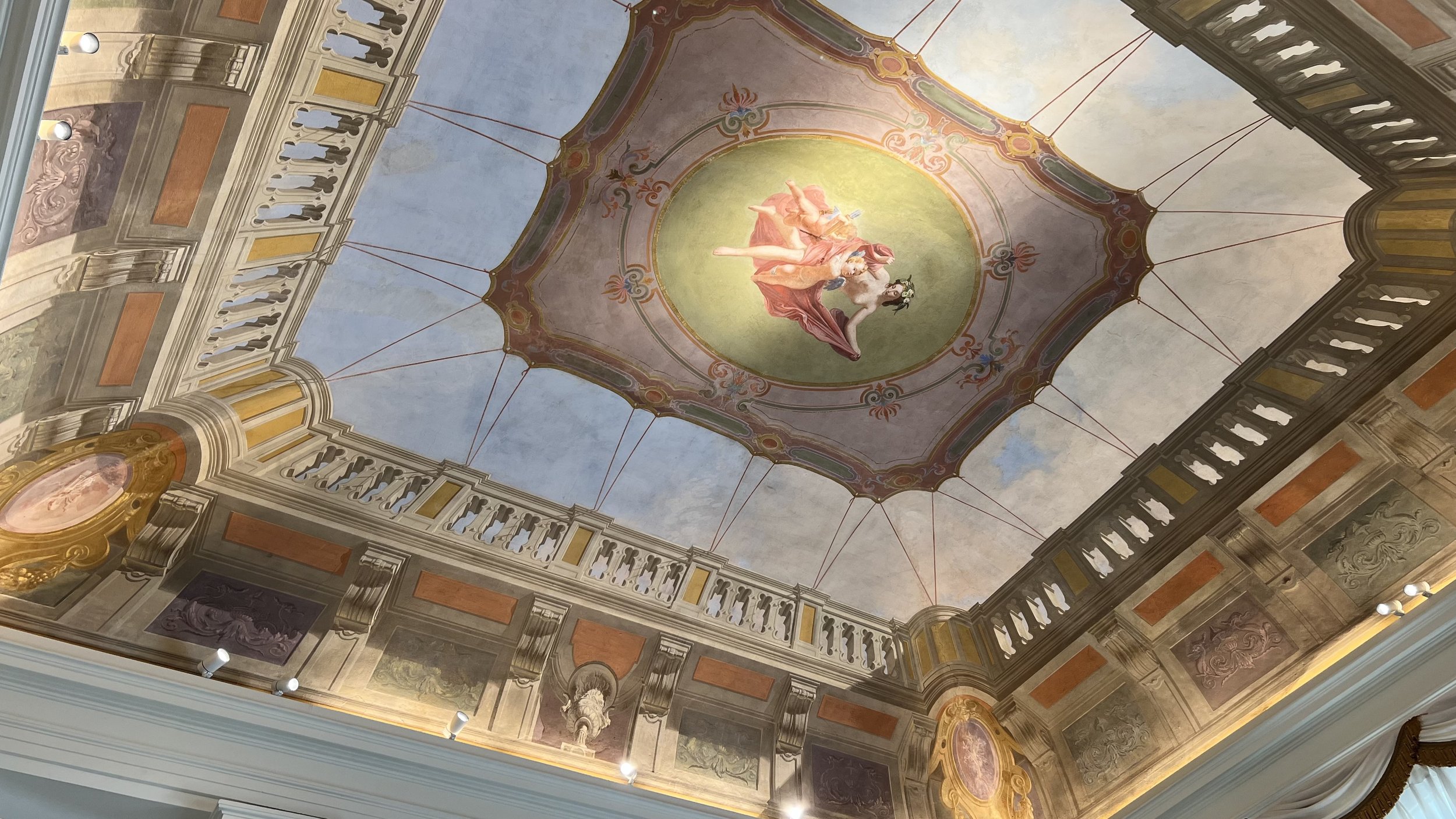
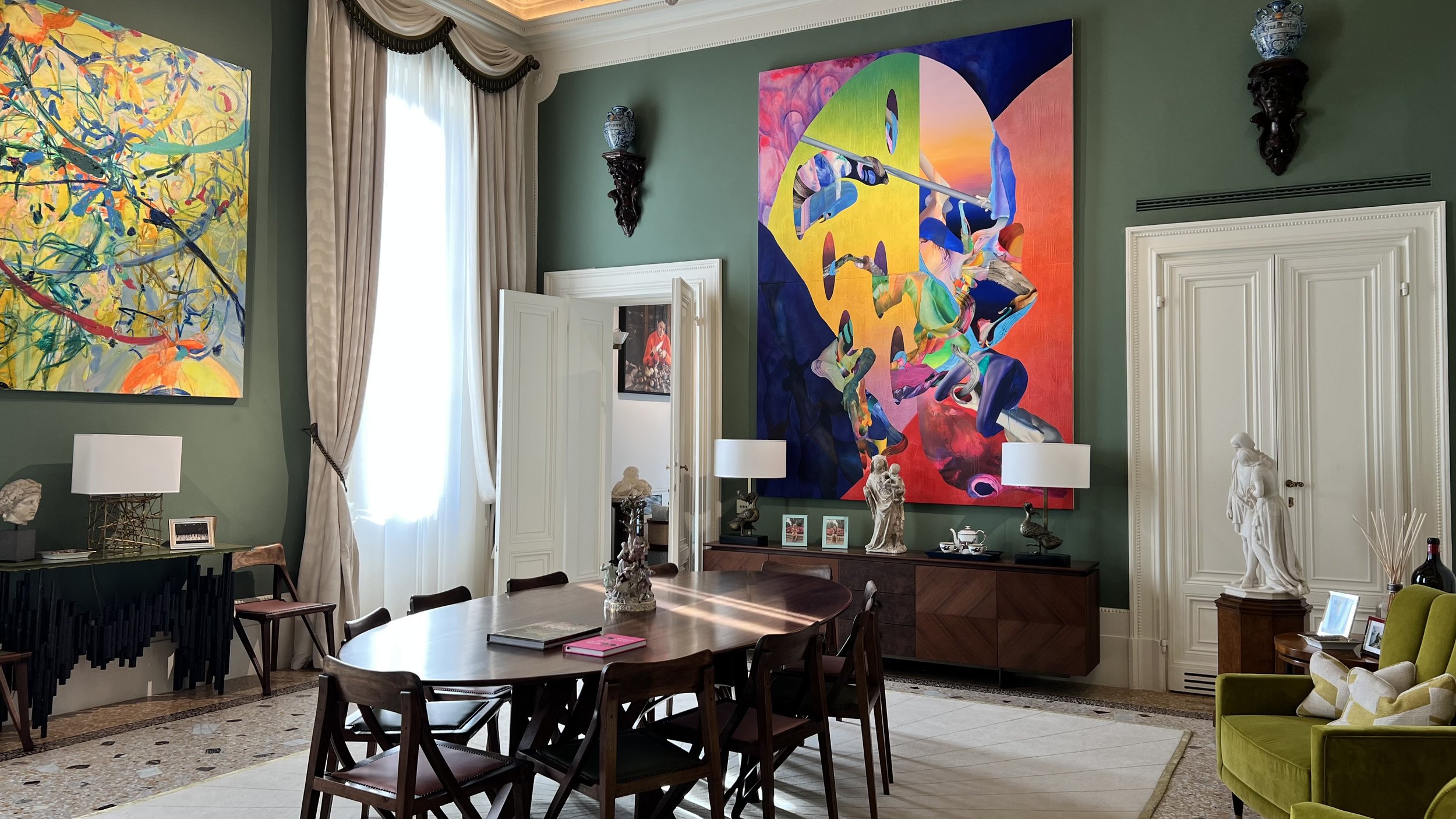
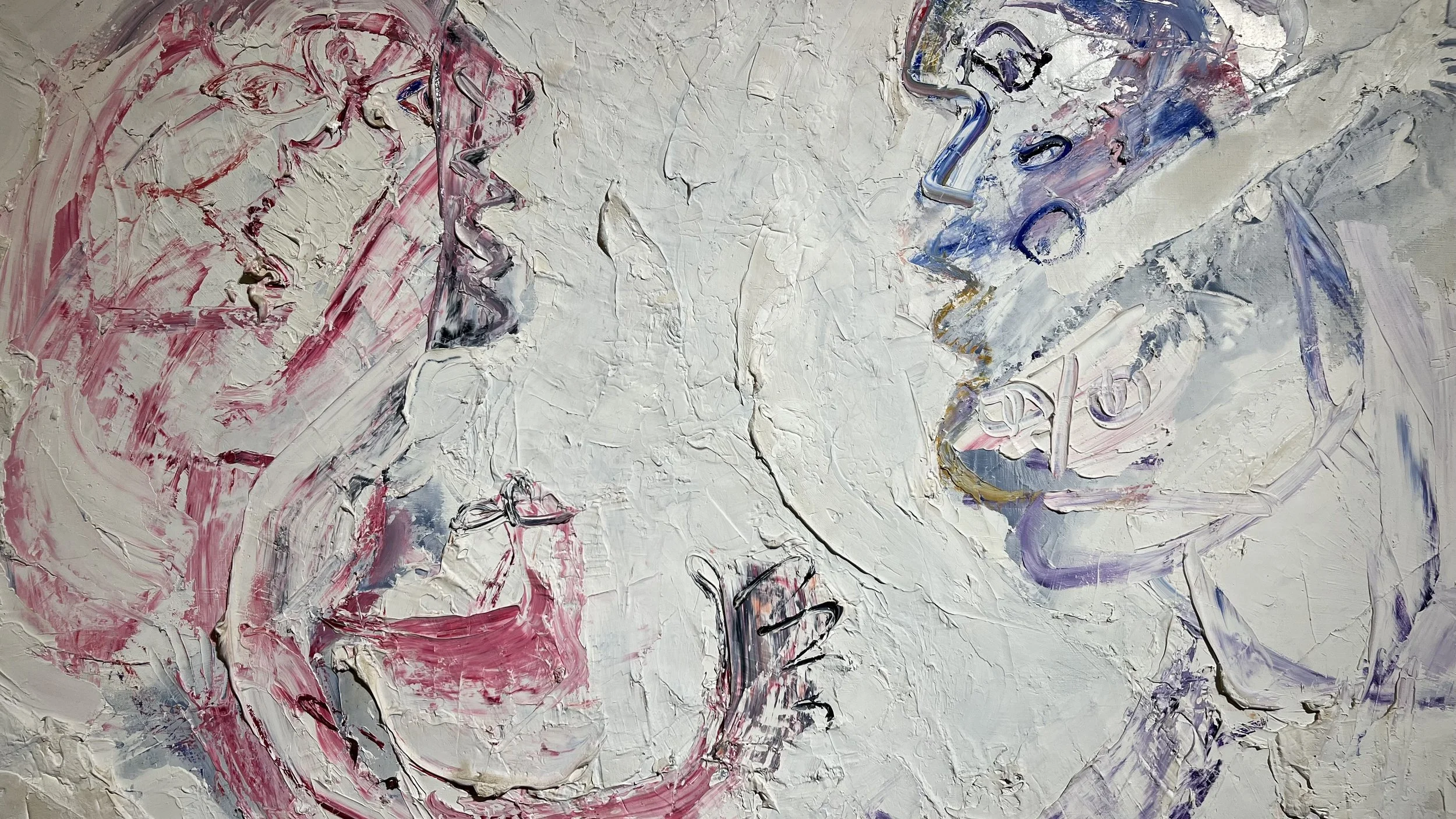
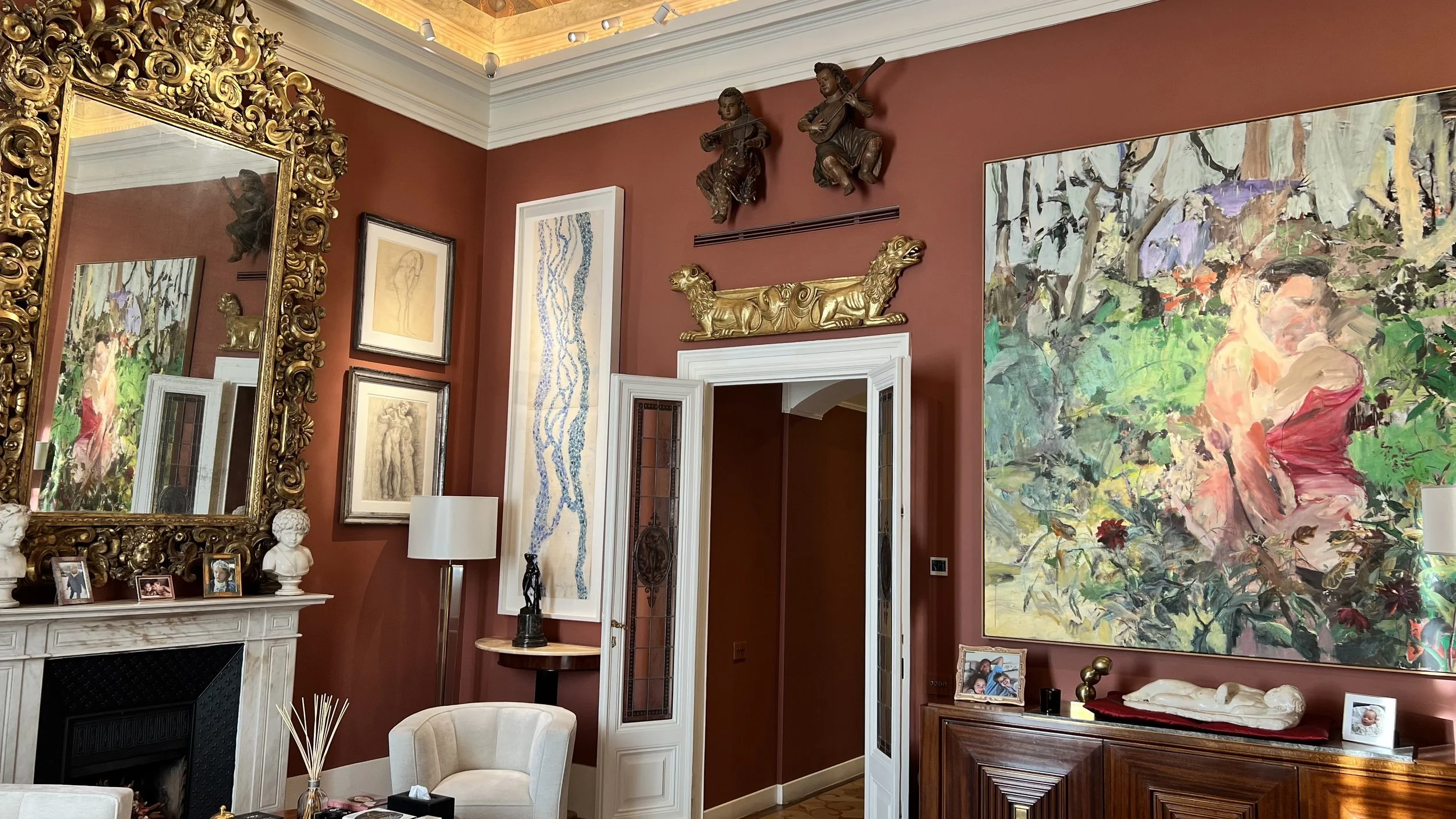
The encounter with Levett’s collection was a seminal moment in my conceptual journey as I witnessed the epitome of my theme for this project: belonging. Previously, I had only explored this combination of passions through an abstract lens, however, this experience brought it to life and was a physical manifestation of how artworks integrate into a lived space. But most importantly, the palazzo was only the foundation, because it was the paintings that welcomed me, that transformed the space into a home. Being surrounded by creativity in the domestic space, confirmed the power that art has, in the sense that it resonates a warmth, a musicality, and an explosivity of light that ultimately comforts you. It was truly enlightening to see how relevant my chosen theme is beyond the studio. This opportunity made my work feel purposeful, clarified my direction and strengthened the intention of my installation practice. The complex mixture of emotions that I felt in this house is something I have never experienced in any museum or gallery. As a result, it has awakened a curiosity about interior design and furniture making, an art form I would have never considered if I hadn’t immersed myself in this environment. This new perspective is an opportunity for me to develop new skills such as interdisciplinary thinking and explore 3-dimensional practices.
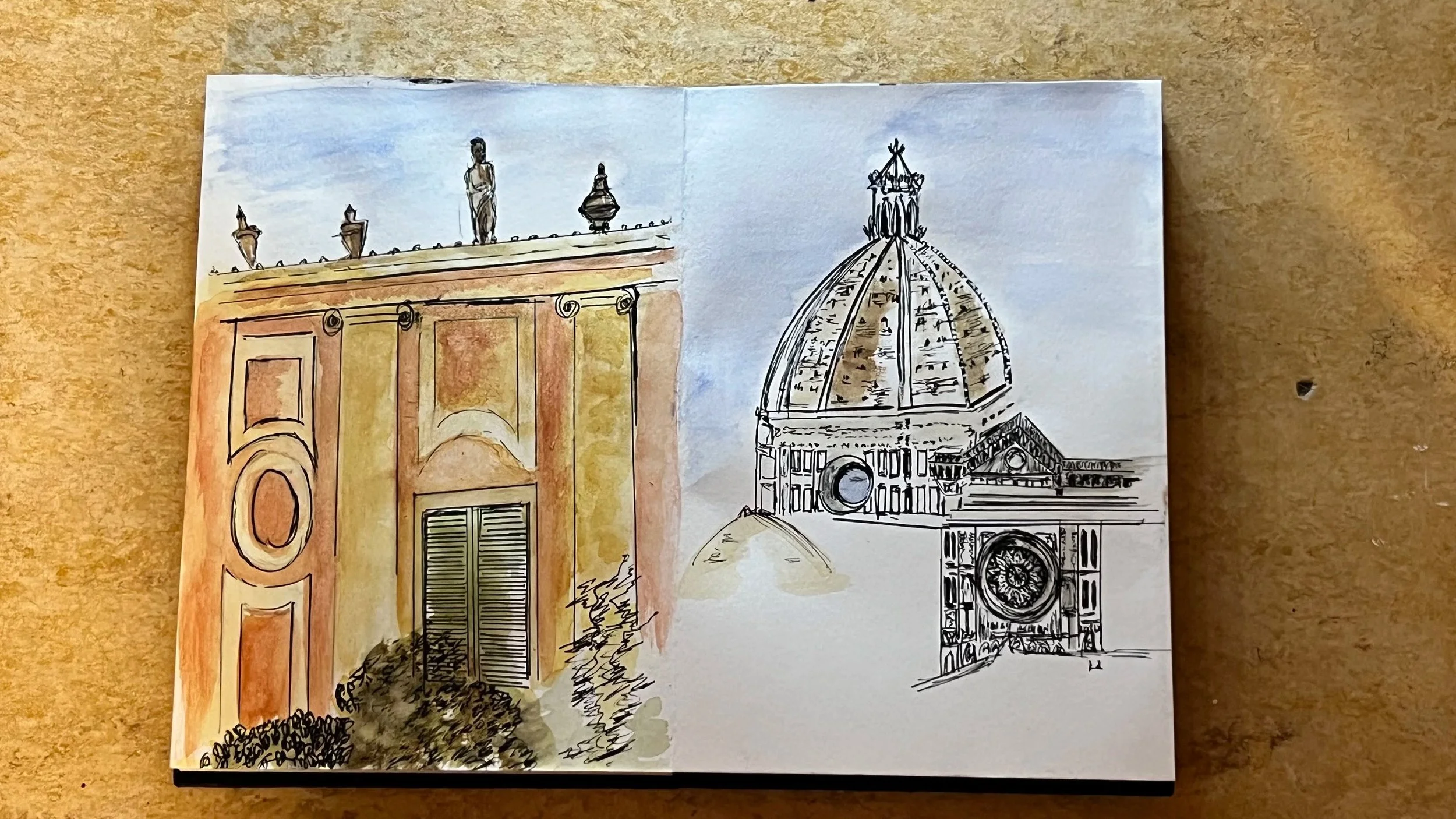
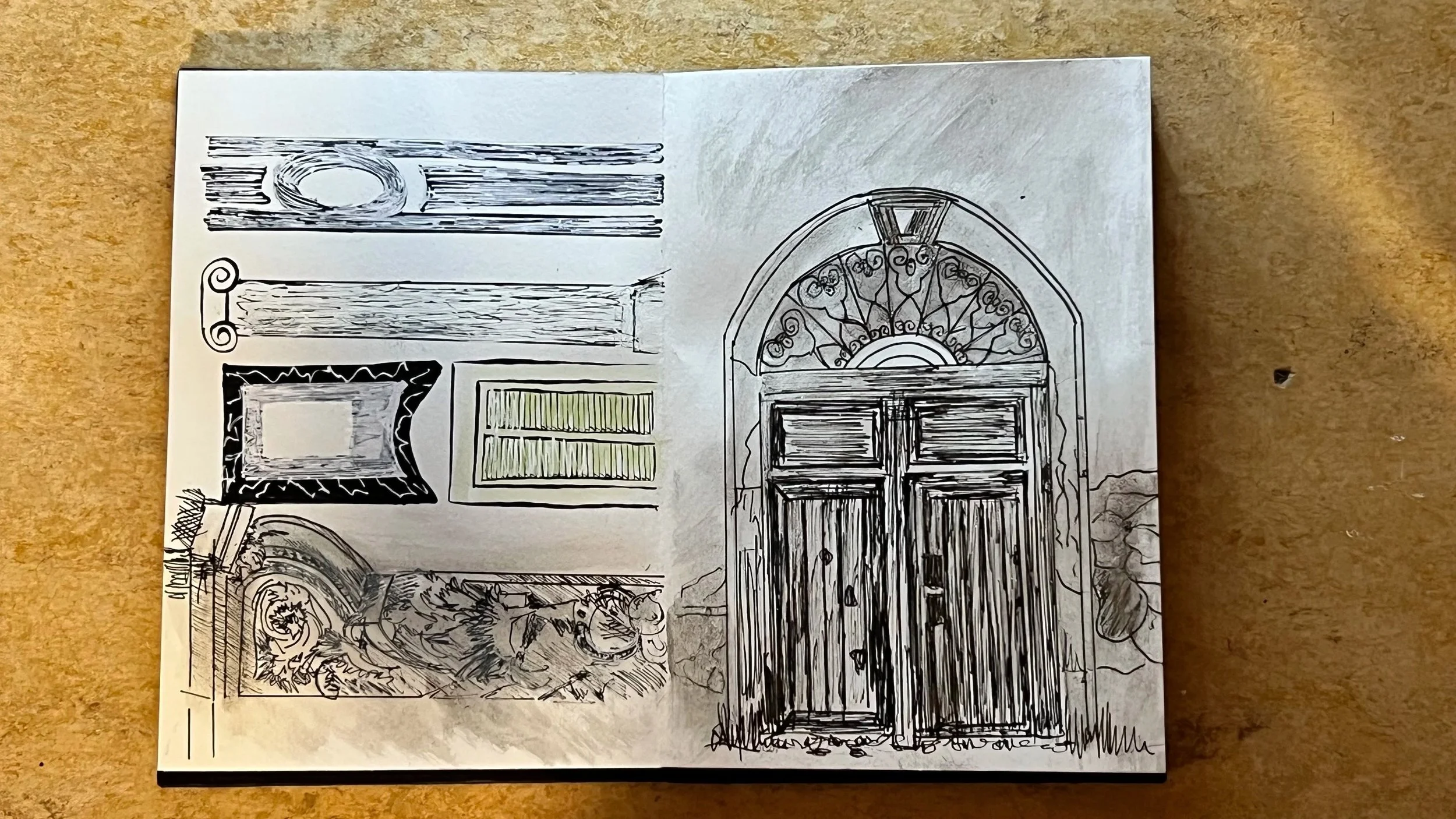
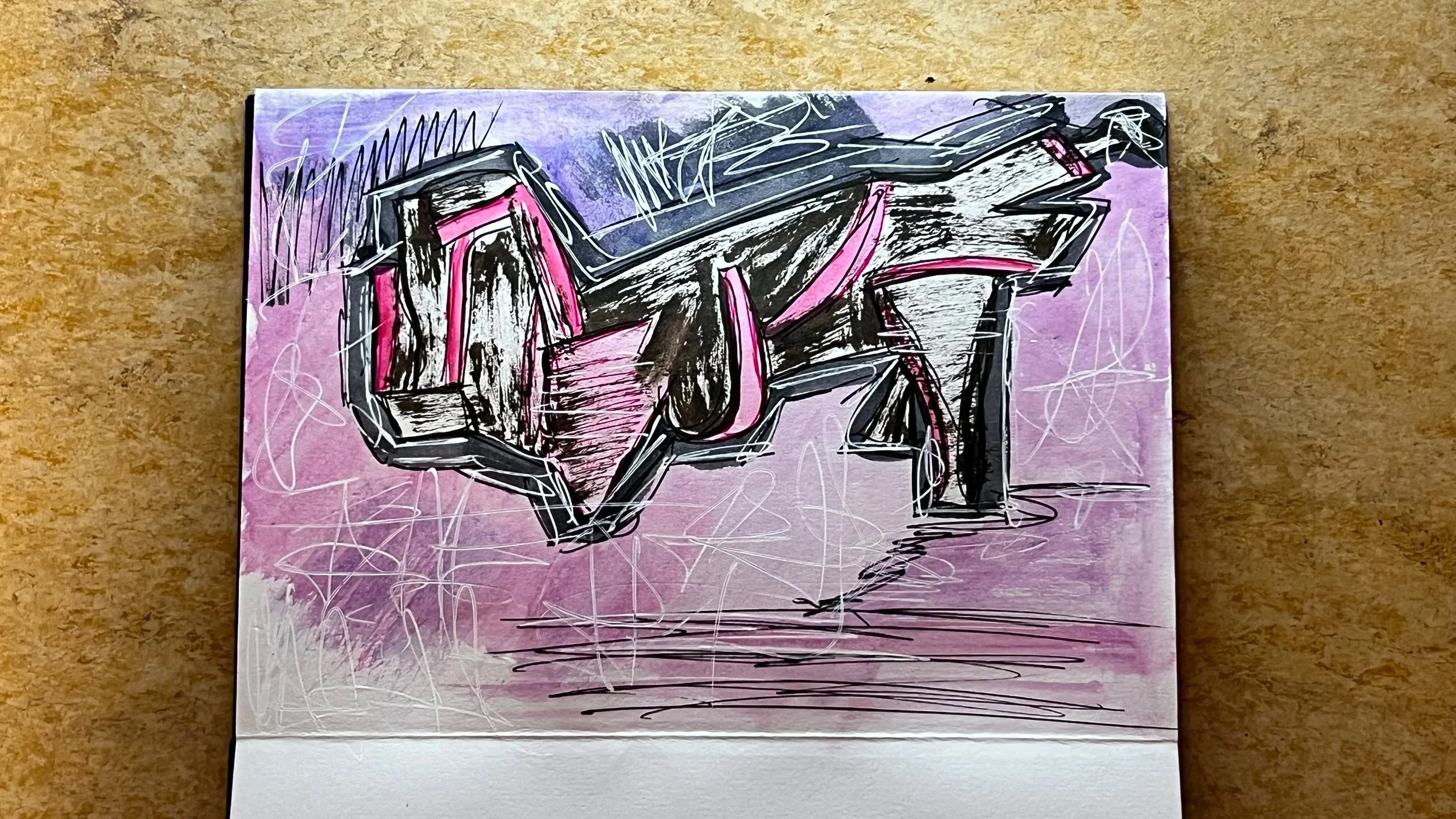
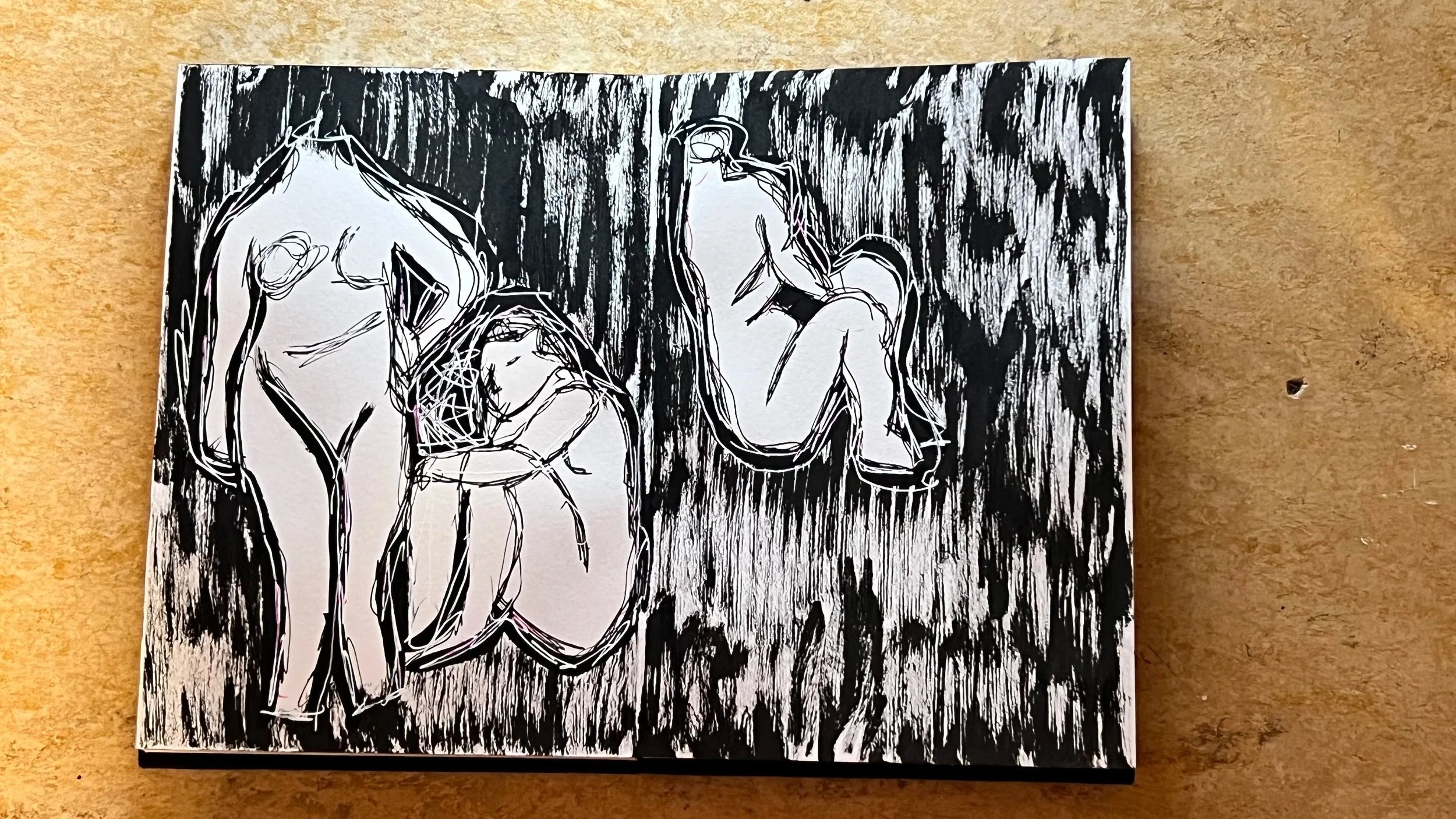
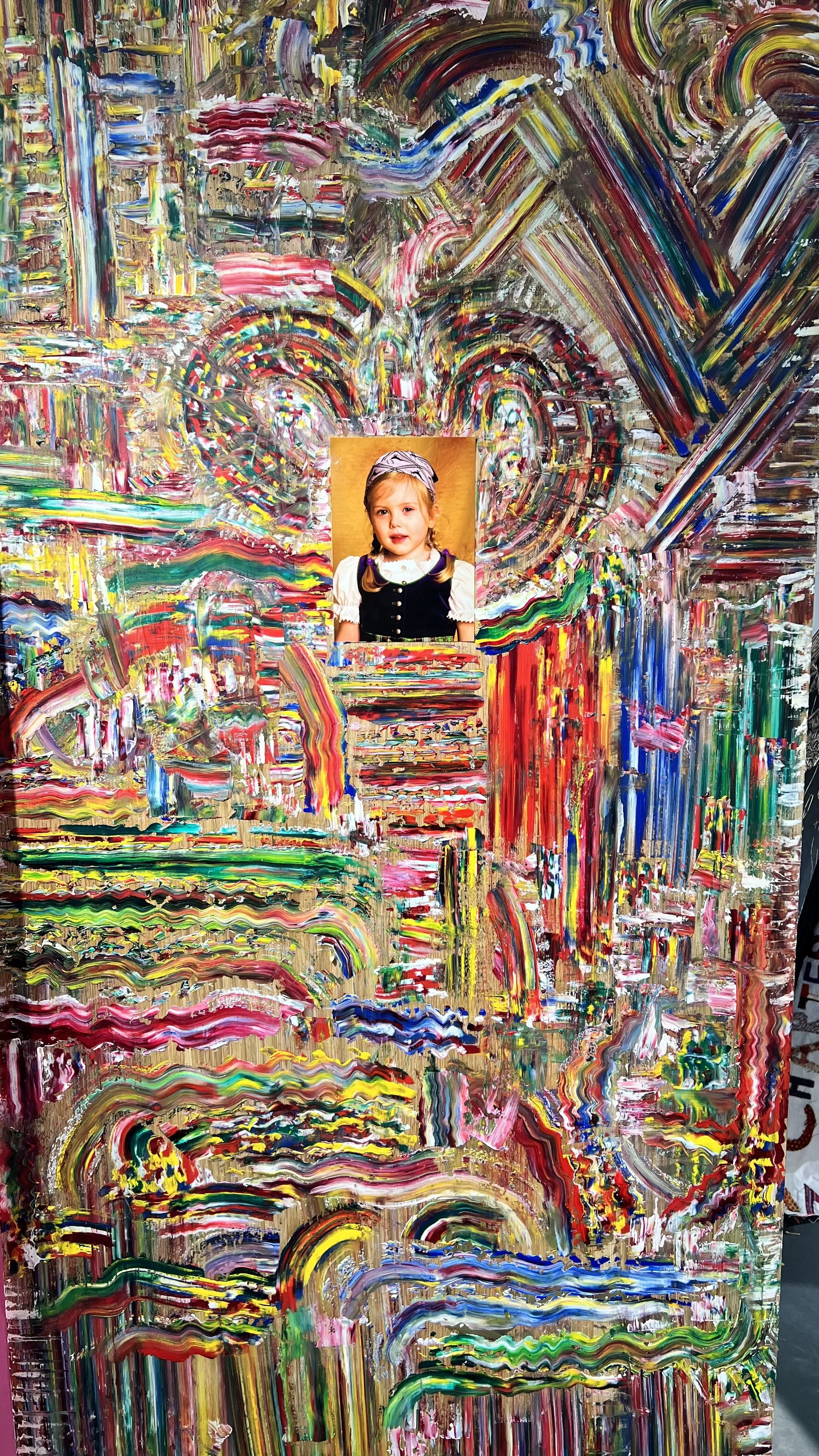
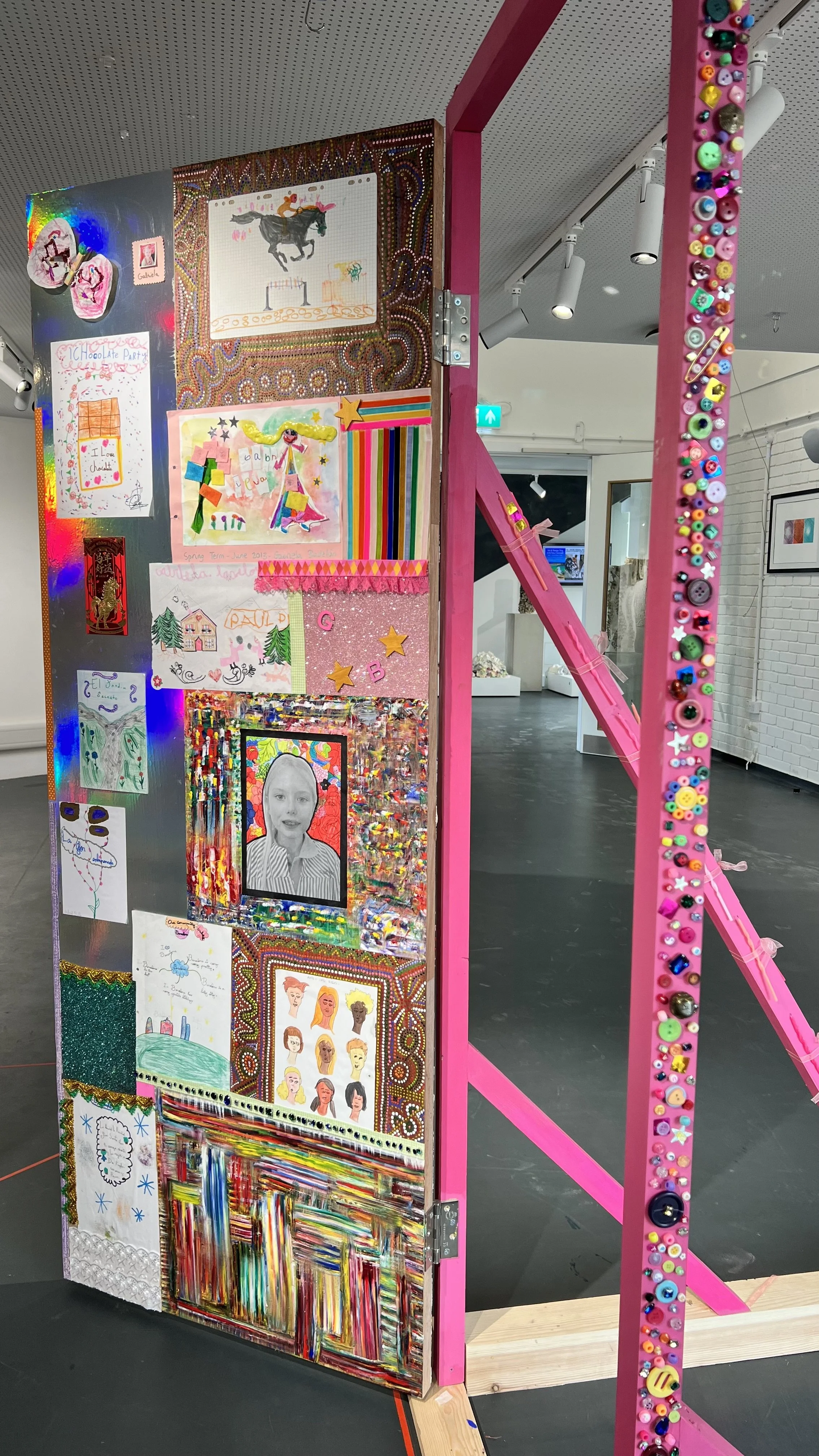
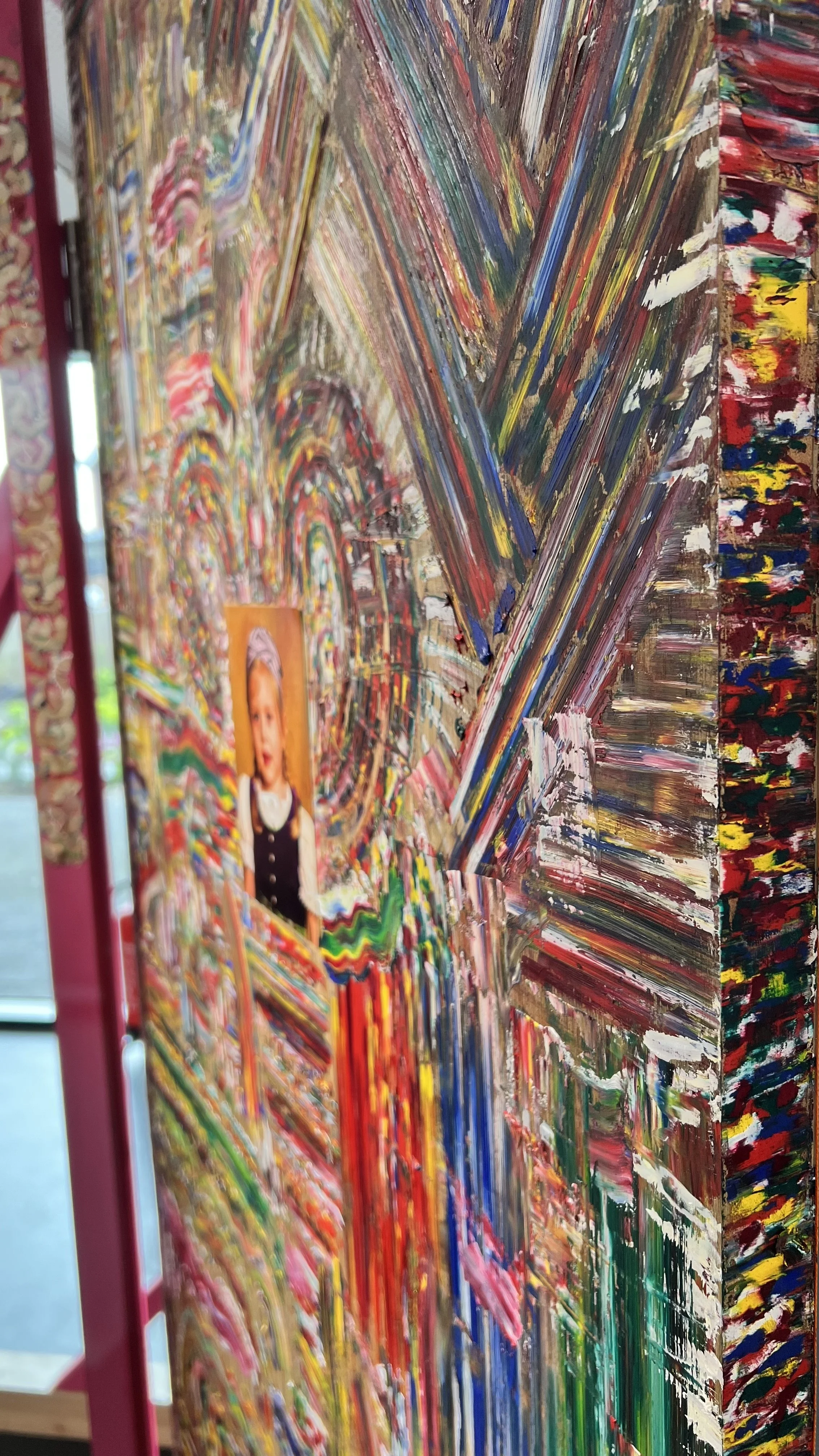
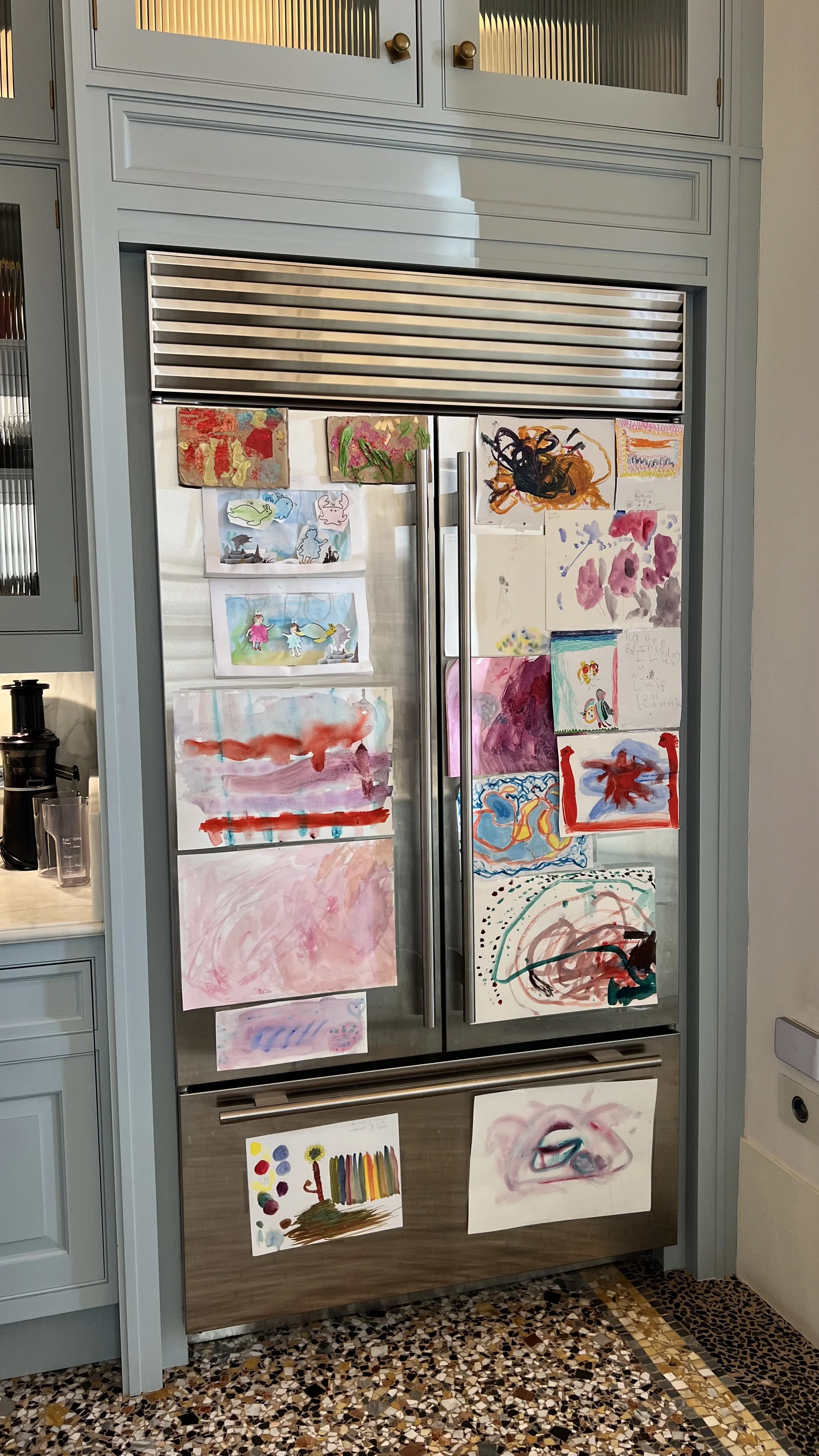
The one piece that wouldn’t leave my mind after the visit was Christian Levett’s fridge that was covered with his children’s drawings. I remember how quickly everyone disappeared out of the kitchen, whilst I stayed for an exaggerated time of 20 minutes staring at this common fridge. Everyone left to go look at the art, while I stood in awe of a child’s creative expression. The one thing that wasn’t an actual artwork turned out to be what spoke to me the most, and it struck me how inattentive people where to this room. It was the pricelessness, the innocence and the freedom that comes with a child’s drawings that captured my attention. In that moment, I was transported to my inner child, to the many times I spent staining my mother’s tablecloths with paint, and when I was convinced that I had just drawn the most amazing portrait the world had ever seen. Since the fridge is an object we constantly interact with, I wanted to evoke a similar sense of purpose by crafting a functional door which viewers can physically open and pass through. It was illuminating to have such clear ideas about my next project solely by looking at this kitchen element. I carefully planned every part of this handcrafted door so that the imagery would align with it’s Bildungsroman function as part of my theme of belonging. When the viewers open the door, they face my past, where the surface of the door is embellished with childhood drawings. When they close the door, they observe the present, with the other side covered in abstract brushstrokes.
My aim was to approach this project with open-mindedness. I put myself in the shoes of a child and allowed complete freedom to fill the surface without the slight feeling of restraint. The only controlled part is that it mustn’t have any empty space. I wanted it saturated with colour, texture, and light so that the density of this adornment would convert it into a ‘sculpture in the round’, something that can be opened, closed, walked through and seen from all angles.
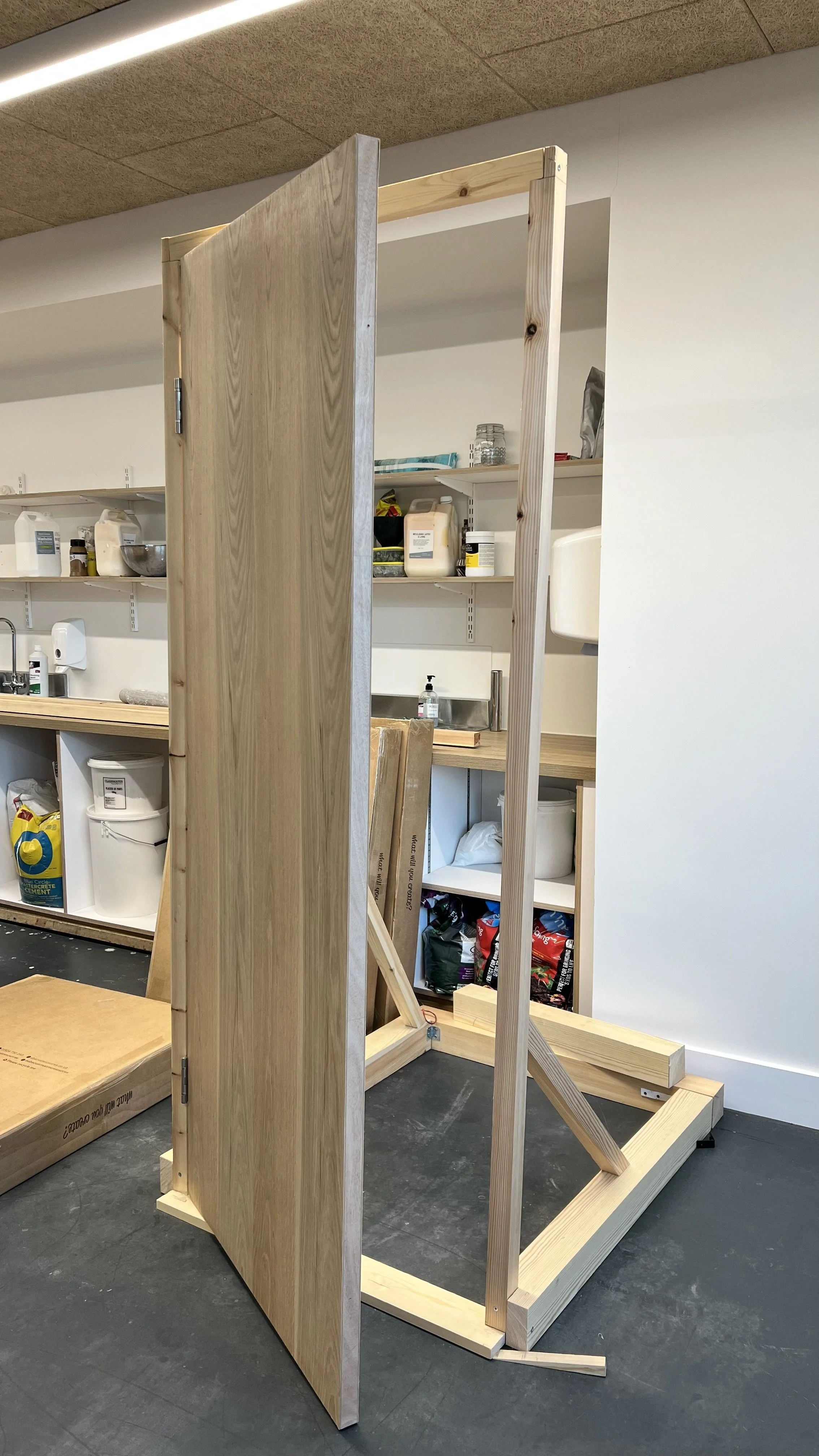
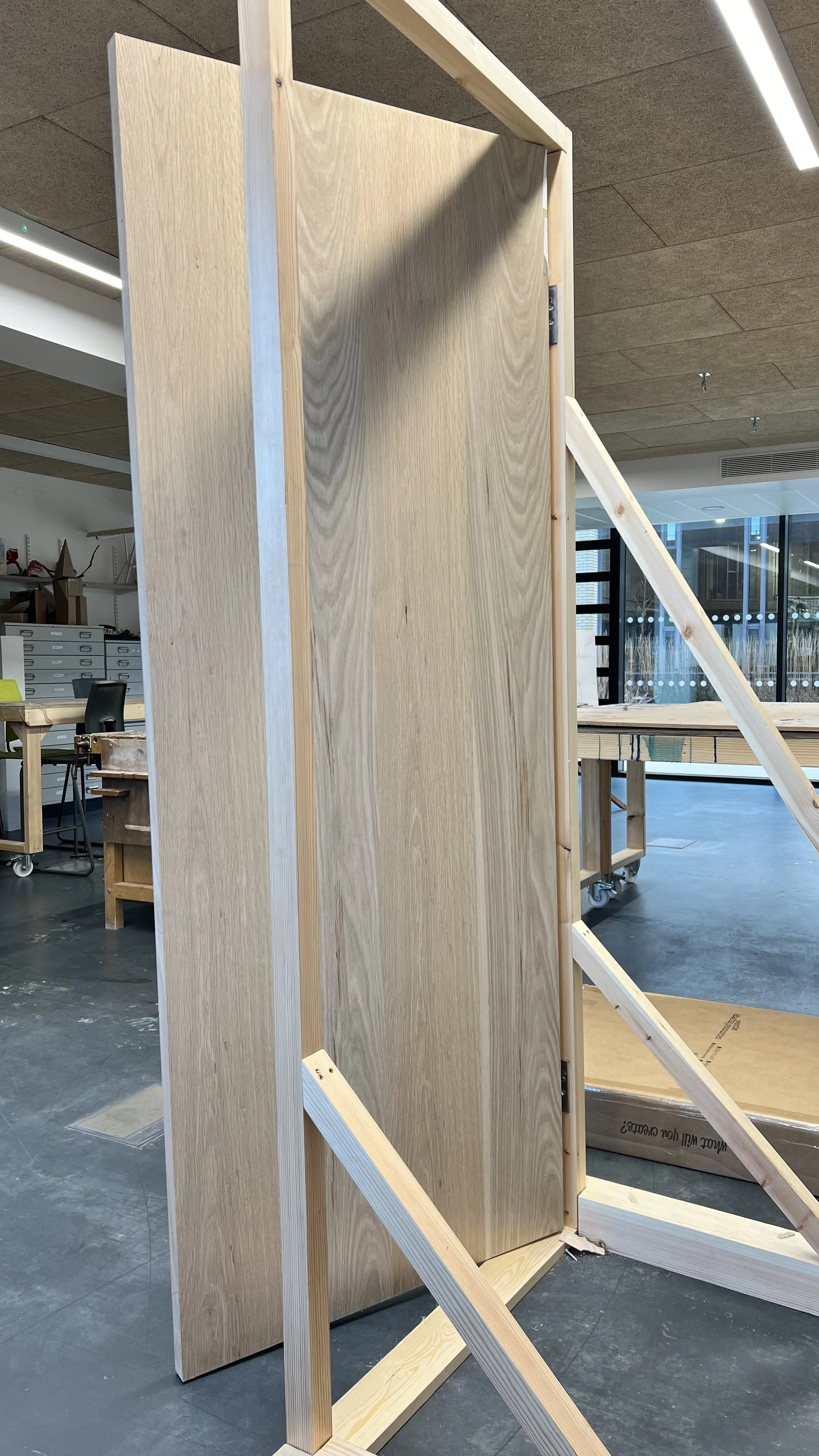
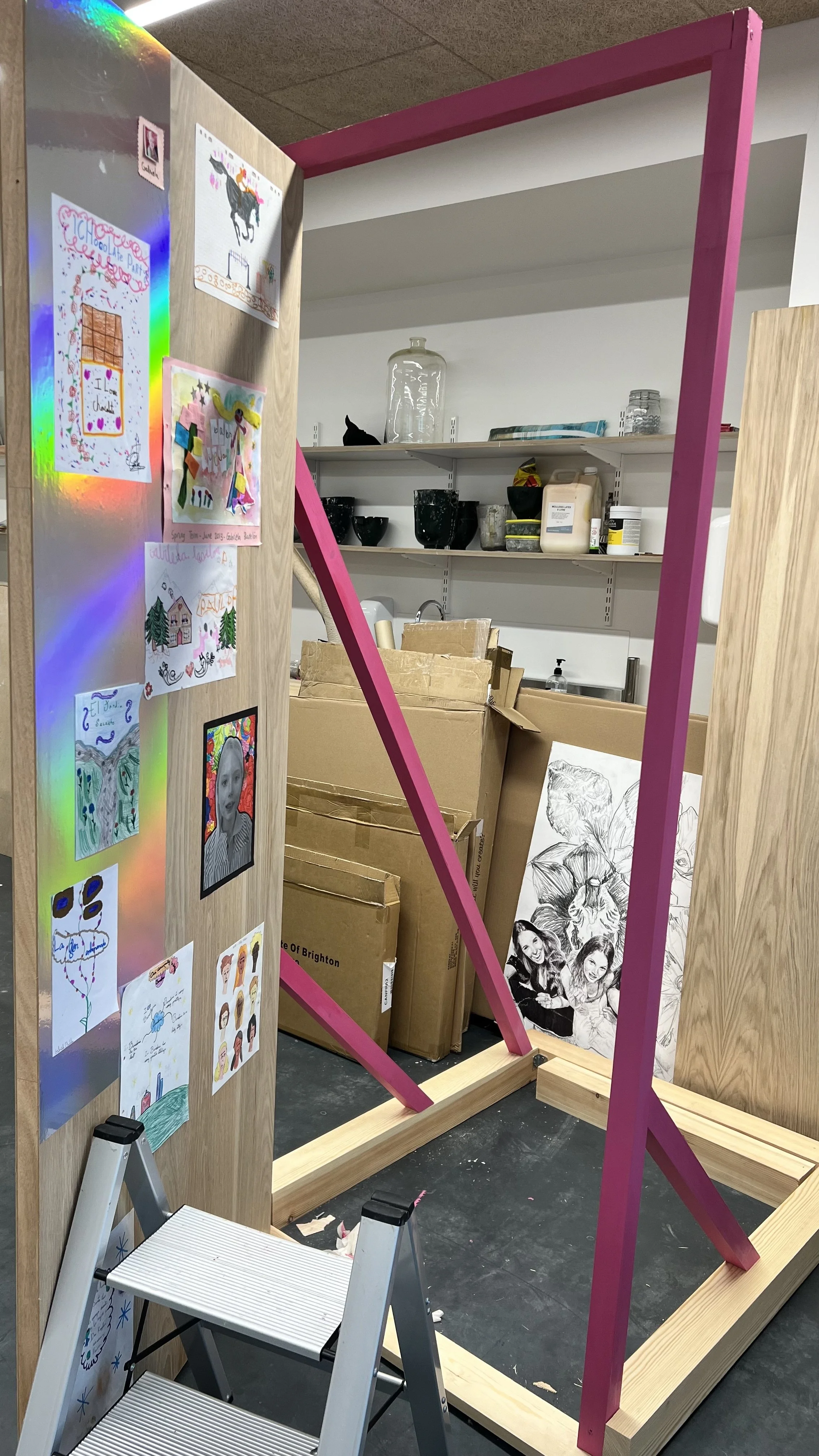
The decorative aspect of this project was an active process. I was constantly changing my posture from the two extremes: sitting on the floor and standing on a step ladder. Why did I exaggerate the decoration? I did it to make the piece celebratory and playful, with the intention to mirror the boundless imagination we all had during our childhood. I also tried to portray this through my heightened colour palette exploration. The supporting frame is painted in a flamboyant fuchsia, and both sides of the door are layered with advancing colours that are explosive but simultaneously evoke nostalgia. I then adorned the frames with buttons, bracelet beads, rhinestones, stickers, pins, alphabet beads, and plastic charms. I used this assemblage technique out of inspiration from Mario Soria’s practice. He is a Barcelonian artist that fuses hyper-realism and pop art in his artworks. Soria collects lego pieces, figurines and other toys and uses them as sculptural extensions of his paintings. This artist is particularly significant to my childhood door since I have encountered many of his works in my home during my upbringing, which makes them part of my early artistic consciousness.
Bedazzling the frame was a time-consuming process as I stuck each piece individually using a glue gun. It was difficult to ensure the glue wouldn’t show around the smallest ornaments. During this manual process, I realised how effective the contrast between the monumental door and the miniature objects is. It demands proximity, crafting a sense of intimacy between the viewer and the emotive structure. The detail invites the audience to appreciate the intricate and accumulative surface. The frame now has a haptic quality that crafts a sensory experience. Apart from beads, I also wanted to attach the candles from my 18th birthday. Originally, I was going to follow the same method I used with the charms, but it turned out to be unsuccessful as the wax melted off immediately. The resistance of these materials redirected my ideas. My solution was to bind the candles by using ribbon and tying them into bows. Although this was a practical solution, I ultimately preferred this presentation because it makes the door’s concept even stronger. It adds a softness, a sense of girlhood and childhood innocence, that reinforces the message of my project.
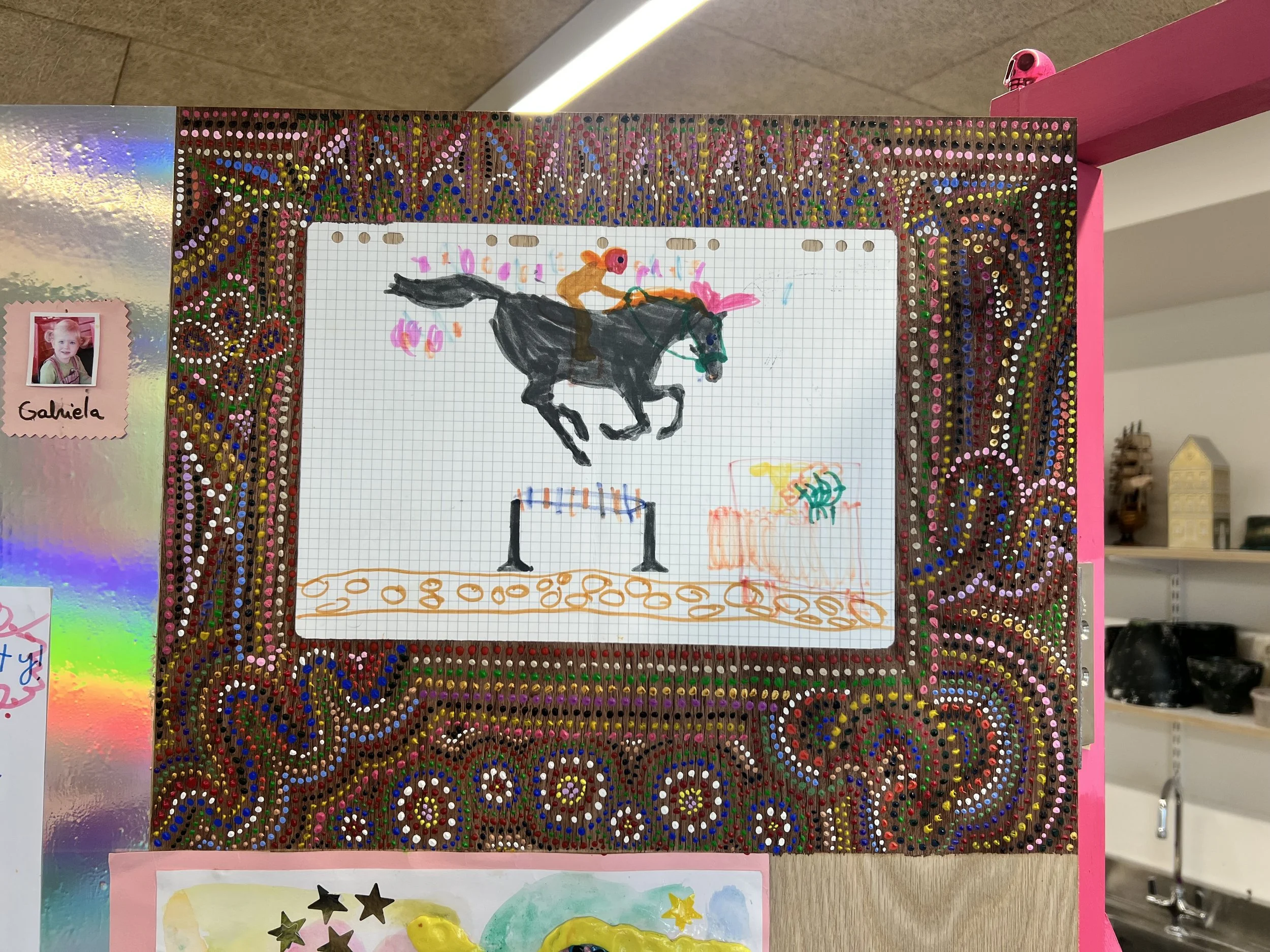
My previous exploration of Aboriginal artwork in my woodcut project inspired me to study the Yuendumu doors. They are classroom doors created by Warlpiri Aboriginal elders that display imagery representative of their land, culture and dreams. These artworks were also the first time these communities broke away from traditional materials and began to explore acrylic paint. Framing my drawings with the repetitive dot patterns, resonates a hypnotic energy that casts the viewer’s eyes towards them as a focal point. I translated the vivid patterns and hues of the Yuendumu doors into mine to achieve a dreamlike quality, where the dots oscillate away from the central drawing like an optical illusion. To enhance the luminosity of the colours, I painted the door’s surface with brown wood stain and ensured I maintained the boarders of my drawings clean. The most relaxing and enjoyable part of this process was that I didn’t follow any pre-determined patterns, I just let the dots guide me intuitively.